
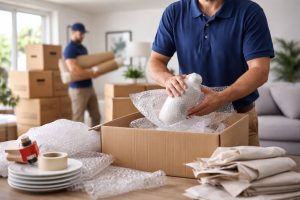
Moving to a new home or office can be an exciting milestone, but it also involves careful planning and preparation. One of the most important — yet often underestimated — parts of the moving process is proper packing. Many people believe that items usually break during transportation, but in reality, most damage occurs before the moving truck even begins the journey.
Loose wrapping, thin boxes, rushed packing, and unorganized loading can quickly turn moving day into a stressful and expensive experience. Without proper packing techniques, fragile items can shift, collide, and break during transit.
Professional movers understand that packing is the foundation of a successful move. By using quality materials, secure wrapping methods, and organized loading techniques, experienced movers help ensure that furniture, electronics, and fragile belongings arrive safely at their destination.
In this guide, we will explain why proper packing matters, how professional movers protect your belongings, and what you can do to prevent damage during your move.
The Real Cause of Moving Damage
Many people assume that damaged items occur because of long drives or rough roads. While transportation can contribute to the problem, the truth is that improper packing is the main cause of moving damage.
If boxes are poorly packed or fragile items are not wrapped properly, even a short local move can cause items to break. Sudden stops, turns, or bumps in the road can cause unsecured items to shift inside the truck.
Some of the most common packing mistakes include:
-
Using low-quality or reused cardboard boxes
-
Packing fragile items without sufficient padding
-
Placing heavy items on top of delicate objects
-
Leaving empty space inside boxes
-
Overloading boxes beyond their capacity
-
Failing to label fragile items clearly
These mistakes increase the risk of damage significantly. Even small items like dishes, glasses, or decorative pieces can easily break when not packed correctly.
Why Proper Packing Is Essential for a Successful Move
Proper packing is not just about placing items into boxes. It involves a structured process that protects items from damage during every stage of the move.
1. Protection Against Impact
During transportation, items may experience small vibrations, bumps, or sudden stops. Without proper cushioning, fragile items can collide with each other inside boxes.
Professional packing materials such as bubble wrap, packing paper, and foam inserts absorb shocks and protect items from impact.
2. Preventing Movement Inside Boxes
Empty space inside a box is one of the biggest causes of damage during moving. When items move freely inside a box, they can hit each other and break.
Professional packers fill empty spaces with padding materials to keep items stable during transportation.
3. Protecting Furniture Surfaces
Furniture pieces are often expensive and delicate. Wooden surfaces, glass panels, and upholstery can easily scratch or tear if they are not wrapped correctly.
Movers typically use furniture blankets, protective wraps, and corner protectors to keep furniture safe during the move.
4. Organized Loading for Safe Transportation
Packing alone is not enough. The way items are arranged inside the moving truck is equally important.
Professional movers load heavy items first and place fragile boxes in safe areas to avoid pressure or movement during the drive.
The Importance of High-Quality Packing Materials
One of the biggest differences between professional movers and DIY packing is the quality of materials used.
Many homeowners rely on used grocery boxes or old cartons, which often lack the strength needed for transportation.
Professional movers use specialized packing materials such as:
-
Heavy-duty moving boxes
-
Bubble wrap
-
Packing paper
-
Foam padding
-
Furniture blankets
-
Stretch wrap
-
Reinforced tape
These materials are designed to withstand the stress of moving and provide much better protection for belongings.
Items That Require Special Packing Attention
Not all household items are equally fragile. Some belongings require extra care and protection during a move.
Glass and Fragile Kitchenware
Items such as dishes, glasses, and bowls are highly susceptible to breakage. They must be wrapped individually and placed vertically in boxes with proper cushioning.
Electronics
Televisions, computers, and audio equipment require careful handling. Professional movers often use specialized boxes or additional padding to protect electronics.
Artwork and Mirrors
Paintings, framed photos, and mirrors are delicate items that require protective wrapping and reinforced boxes.
Furniture
Large furniture items should be disassembled when possible and wrapped with protective blankets to prevent scratches.
Office Equipment
Businesses moving to a new location must protect computers, printers, and sensitive equipment carefully to avoid operational disruptions.
How Professional Movers Pack and Protect Your Belongings
Professional movers follow a systematic approach to packing that ensures maximum protection.
Step 1: Organizing and Sorting Items
Before packing begins, movers sort items based on size, weight, and fragility. This helps determine the best packing materials and box types to use.
Step 2: Wrapping Fragile Items
Fragile items are individually wrapped using bubble wrap or packing paper. Multiple layers of protection are used when necessary.
Step 3: Strategic Box Packing
Items are placed inside boxes strategically. Heavier items are placed at the bottom while lighter or delicate items remain on top.
Step 4: Filling Empty Spaces
Padding materials are used to eliminate empty spaces inside boxes, preventing movement during transit.
Step 5: Secure Sealing and Labeling
Boxes are sealed with strong tape and clearly labeled with their contents and destination rooms.
Benefits of Hiring Professional Packing Services
Many homeowners attempt to pack their belongings themselves, but professional packing services offer several advantages.
Reduced Risk of Damage
Experienced packers understand how to protect fragile items and avoid common packing mistakes.
Time Efficiency
Packing an entire home can take several days or even weeks. Professional movers can complete the task much faster.
Less Stress
Moving is already stressful. Hiring professional packers allows homeowners to focus on other important aspects of the relocation.
Organized Unpacking
Proper labeling and packing organization make unpacking easier once you arrive at your new location.
Expert Packing Tips for DIY Movers
If you plan to pack some of your belongings yourself, these tips can help ensure a safer move.
Use Strong Boxes
Invest in sturdy moving boxes rather than reusing weak or damaged cartons.
Wrap Fragile Items Carefully
Always wrap fragile items individually using bubble wrap or packing paper.
Fill Empty Spaces
Use cushioning materials to prevent items from shifting inside boxes.
Label Boxes Clearly
Mark boxes with “Fragile” labels and indicate which room they belong to.
Avoid Overpacking
Heavy boxes are difficult to carry and more likely to break during transportation.
The Role of Experienced Movers in Protecting Your Move
Experienced movers bring valuable knowledge and skills to the moving process. They understand how to handle large furniture, delicate items, and complex logistics.
Professional moving teams are trained to:
-
Use proper lifting techniques
-
Protect floors, walls, and doorways
-
Secure items inside the truck
-
Prevent shifting during transportation
Their expertise significantly reduces the risk of damage and helps ensure a smooth moving experience.
Why Careful Packing Saves Money in the Long Run
Some people try to save money by cutting corners on packing materials or rushing through the packing process. Unfortunately, this often leads to damaged items that are expensive to repair or replace.
Investing in proper packing materials or professional packing services can actually save money by preventing costly damage.
Frequently Asked Questions
What is the most common cause of damage during a move?
The most common cause of moving damage is improper packing. Items that are not wrapped or padded properly can easily break during transportation.
How do professional movers protect fragile items?
Professional movers use protective materials such as bubble wrap, foam padding, and reinforced boxes. Fragile items are also positioned carefully inside the moving truck to prevent movement.
Should I pack everything myself before movers arrive?
You can pack some items yourself, but fragile items, electronics, and large furniture are often safer when packed by professional movers.
How early should I start packing for a move?
It is recommended to start packing two to three weeks before your moving date. Begin with items you rarely use and leave everyday essentials for last.
Do moving companies provide packing supplies?
Yes. Many professional movers offer packing materials such as boxes, bubble wrap, packing paper, and protective padding.
Is professional packing worth the cost?
For many people, professional packing is worth the investment because it saves time, reduces stress, and significantly lowers the risk of damage.
What items should not be packed in moving trucks?
Hazardous materials, flammable items, and certain chemicals should not be transported in moving trucks. Movers usually provide a list of restricted items.
Final Thoughts
A successful move begins with proper preparation, and packing is one of the most important steps in the entire process. Without the right packing materials and techniques, even a short move can result in damaged furniture, broken dishes, or scratched electronics.
Professional movers understand the importance of careful packing and organized loading. By using the right materials and proven techniques, they help ensure that belongings remain safe throughout the move.
Whether you are relocating a home or a business, taking the time to pack properly — or hiring experienced professionals — can make the difference between a stressful moving experience and a smooth, successful transition to your new space.